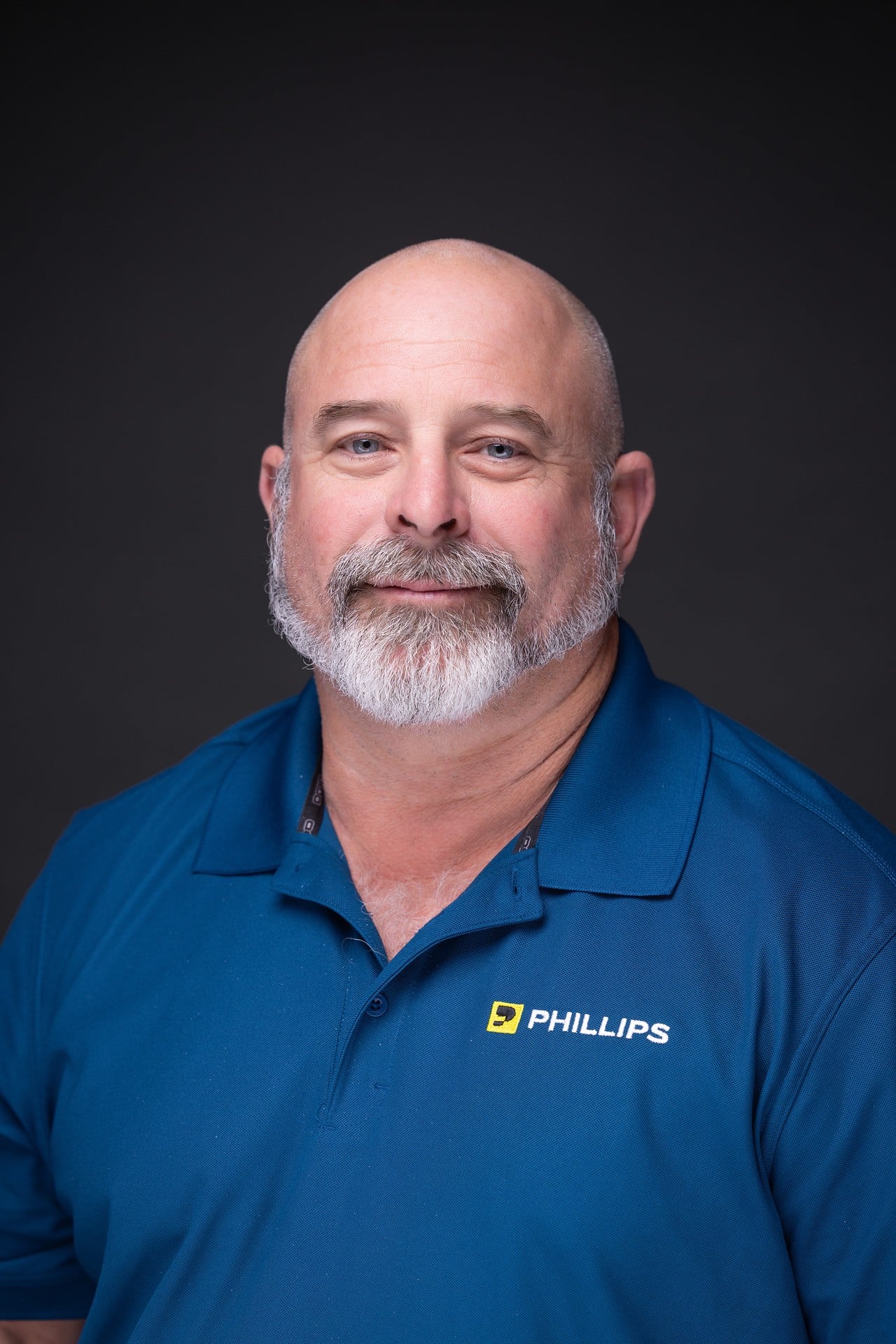
In a recent Tampa Bay Business Journal feature, Richard Root—Vice President of Operations at Phillips Heavy, Inc., a wholly owned subsidiary of Phillips—described how soil composition, groundwater, and other subsurface conditions can influence everything from grading and utility installation to project schedules and costs.
Drawing on more than two decades of experience in heavy civil construction, Root shared several lessons for owners, developers, and contractors alike. Here are a few key takeaways from the article:
Not All Dirt Is Created Equal
Some soils are easier to work with than others, Root explained. Sandy soils typically drain well, allowing grading and earthwork operations to progress efficiently. Clay-heavy soils, on the other hand, tend to hold moisture, which can create challenges during site preparation and sometimes require crews to bring in drier, more workable material.
Groundwater can add another layer of complexity. In many parts of Florida, crews sometimes encounter water much sooner than expected, especially on lower-lying properties or during wetter times of the year. Managing those conditions may require temporary pumping systems, drainage measures, or other adjustments.
“Everybody thinks the dirt game is easy,” Root said. “In reality, it’s highly technical.”
Field Conditions Don't Always Match Expectations
Before construction begins, developers often rely on geotechnical reports to better understand site conditions. The challenge is that these reports are based on samples taken from specific locations across a property. On larger sites, conditions can vary significantly from one area to another.
"Unfortunately, the geotechnical reports don't always give us a full picture of what's happening underground," Root said.
Root recalled one project where early reports suggested that material excavated from a planned lake could be reused during site preparation. Once crews began digging, however, they discovered underground conditions varied much more than anticipated.
Instead of bringing the project to a halt, Phillips worked closely with the owner to adjust grading plans.
“There's always going to be surprises out in the field—I call them Easter eggs,” Root said. “The key is to have a team that knows how to adapt.”
Experience Helps Teams Stay Ahead
No matter how much planning takes place before construction begins, site development involves a degree of uncertainty. Contractors who have worked across a wide range of site conditions are often better equipped to recognize potential issues early, coordinate solutions quickly, and keep projects moving when unexpected situations arise.
That problem-solving mindset is a core part of the Phillips’ approach. Rather than seeing unexpected field conditions as roadblocks, our teams focus on finding practical solutions.
“At Phillips, there's really no such thing as, 'We can't make this project happen,'” Root said. “That's just not in our vocabulary. No matter what we find in the field, we're going to adapt and keep the work moving forward.”
If you're planning a major project or navigating complex site conditions, we’re ready to step in. With decades of heavy civil construction experience, we help owners and developers keep projects moving forward. Let's talk about your next project.