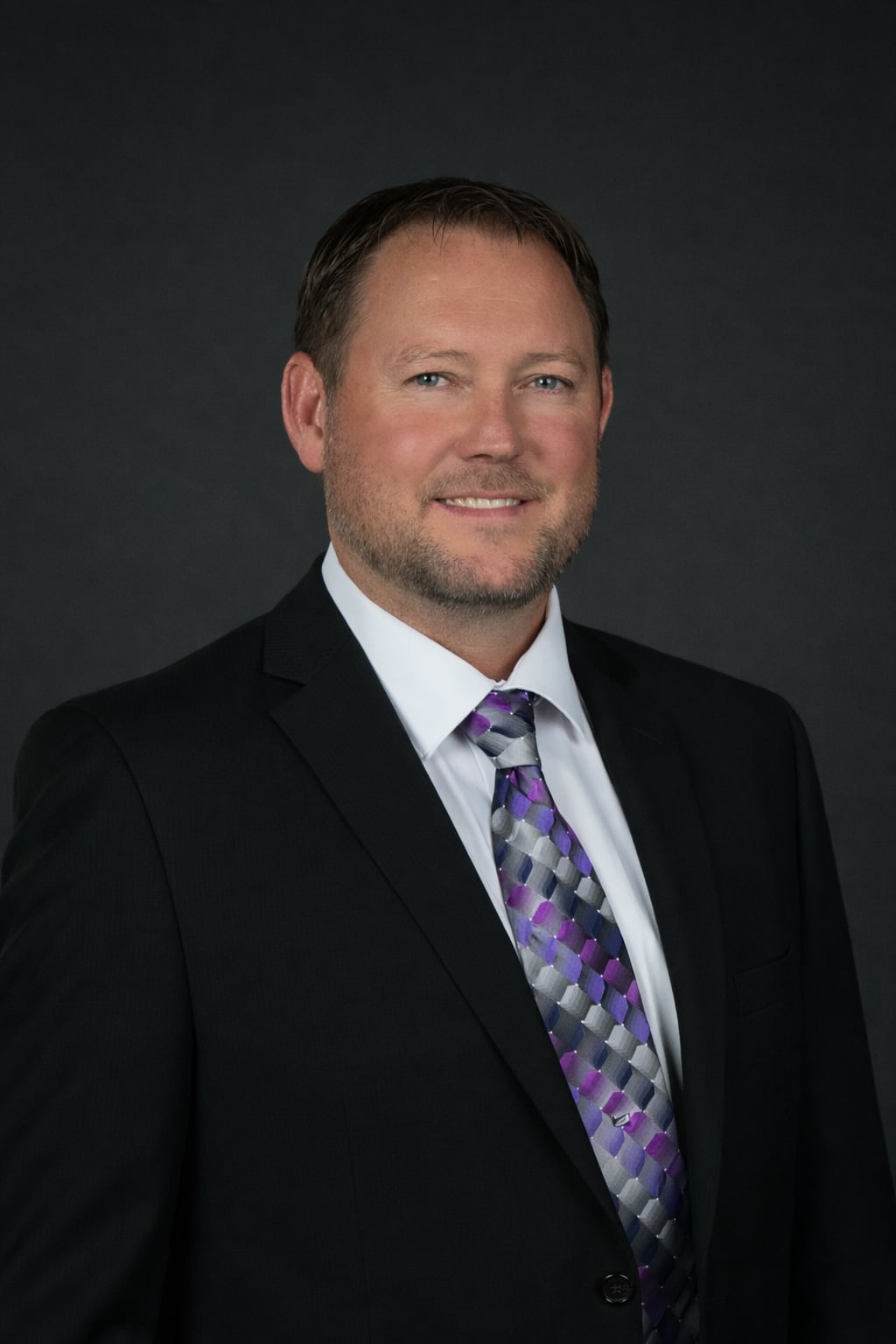
 In a recent Orlando Business Journal feature, Jason Bryant—Senior Project Manager at Phillips Heavy, Inc., a wholly owned subsidiary of Phillips—shared how Phillips encourages field crews to stay engaged, from promoting communication and collaboration to empowering field decision-making and facilitating long-term workforce development.
Removing Barriers Between the Field and Leadership
In the article, Bryant noted that infrastructure projects often slow down when decision-making becomes too layered or disconnected from the field.
A crew may be ready to adjust the work plan, for example, but progress stalls while teams wait for approval. Or, a sequencing issue may remain unresolved while labor and equipment sit idle in the field. As delays compound, schedules tighten, productivity slows, and costs can rise.
Unlike companies where communication can become bottlenecked by layers of management, Phillips gives field teams direct access to project managers, superintendents, and senior leadership—including the CEO—to resolve issues quickly.
“Having that ability to communicate directly helps us make better decisions,” Bryant said.
Accessibility also creates stronger engagement in the field. When employees feel their input is valued, they are more likely to raise concerns, offer ideas, and stay actively involved in problem-solving throughout the life of a project.
Encouraging Early Collaboration Across Teams
Another priority Bryant highlighted was bringing field teams into the project planning process.
Before work begins, Phillips field teams routinely revisit drawings, specifications, sequencing plans, and field logistics to look for opportunities to improve efficiency, strengthen coordination, and reduce unnecessary risk before crews mobilize.
Those reviews bring together employees from multiple levels of the organization, including the crews that will ultimately perform the work. Involving field personnel early in the process helps teams address potential issues, from coordination gaps and sequencing conflicts to operational challenges that could later slow a project.
Investing in Employees Strengthens Accountability
Bryant also emphasized the role long-term employee development plays in creating stronger ownership and accountability across projects.
As he explained, many Phillips employees spend years—even decades—building careers with the company. That experience helps create teams that can recognize challenges early, adapt quickly in the field, and maintain consistency.
Phillips supports long-term employee growth through operational training, safety education, leadership development, and ongoing skill-building opportunities designed to strengthen both individual performance and overall project execution.
“We have people who started as laborers and worked their way up into management roles,” Bryant said. “The only thing holding employees back is themselves. If they want to take the next step, the opportunity is there.”
Keeping Projects Moving Through Ownership and Accountability
By maintaining direct communication between crews and leadership, involving teams early in planning discussions, and investing in workforce development, Phillips builds a culture of accountability across every level of a project. For owners and developers, that means better coordination, faster problem-solving, and fewer disruptions once construction is underway.
Ready to partner with a team built on accountability? Let’s discuss your next project.