Construction is a high-risk business. Heavy equipment, live utilities, complicated excavations, and confined work areas create an environment where a single missed step could lead to serious injuries.
That reality defines how work gets done at Phillips. On our jobsites, safety is not a box to check—it is the standard that guides planning, execution, and decision-making.
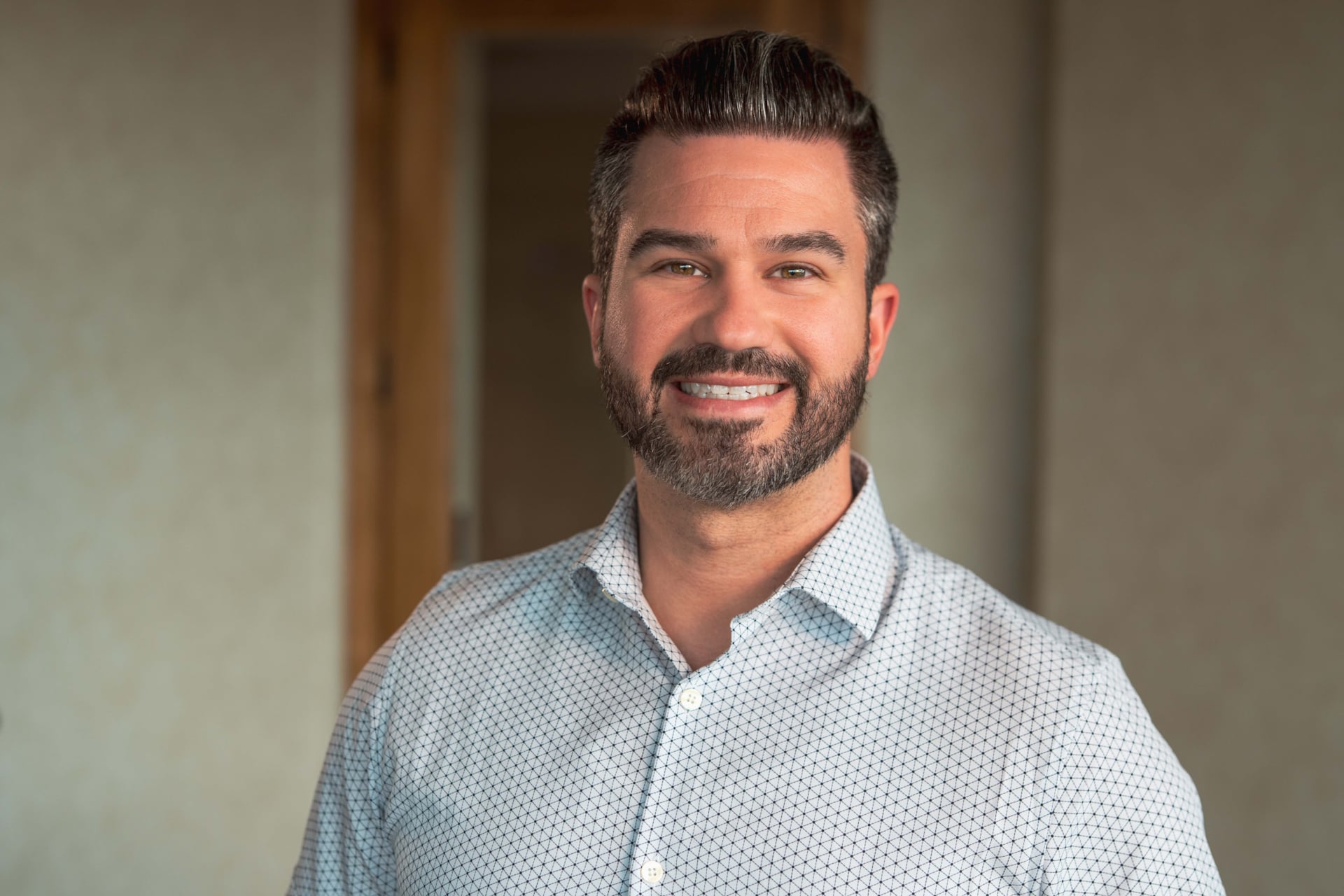 “We want our employees to go home the way they showed up,” said Stephen Ross, Vice President of Safety at Phillips. “That comes down to doing right by our people—treating them with respect, giving them a safe place to work, and expecting them to do the same for their teammates. There are no exceptions or compromises.”
This blog post takes a closer look at how Phillips creates a culture of safety—from recognizing potential hazards every day to having the expectation that every employee takes ownership of what they see in the field—and how that approach leads to more consistent, predictable project performance.
Control Starts with Planning and Logistics
At Phillips, safety is considered long before crews put boots on the ground.
In the planning phase, leadership teams review project specifications and site conditions to identify constraints, pressure points, and risks early, while there is still time to adjust the approach. This may involve refining how materials move through the site, rethinking equipment access, or sequencing work to reduce exposure to high-risk conditions.
Once work begins, that preparation carries into the field through daily coordination. During the morning huddle, crews align on the day’s objectives, current conditions, and how risks will be addressed.
“The morning huddle is the plan of the day—what needs to get done and how we’re managing the hazards,” Ross said.
That level of alignment reduces uncertainty and keeps work moving with fewer disruptions.
Performance Is Decided in the Field
Planning sets direction, but performance ultimately comes down to the men and women in the field.
“We work in an industry where everybody makes hundreds of independent choices a day,” Ross said. “When people are making good choices, those decisions add up to a great safety culture.”
That culture is reinforced through setting clear expectations, tied to providing stop-work authority. At Phillips, every employee—regardless of role or tenure—has the authority to immediately halt work if they identify an unsafe condition. Work does not resume until the issue is understood and corrected.
On a recent project, a driver identified a blind corner where vegetation blocked visibility. He flagged the issue and the team cleared the obstruction before it led to an incident.
On another job, a crew member stopped work after noticing damage to a trench box—the protective system that keeps excavation walls from collapsing while workers are below grade. “Without the fix, that system could have easily failed and led to an injury,” Ross said.
Consistency Comes from Self-Performing
Even with strong planning and clear expectations, execution can break down if crews are not aligned. Variability in experience, communication, and approach introduces risk, especially on complex jobs where conditions change quickly.
Phillips reduces that variability by self-performing the work. Rather than relying heavily on subcontractors with different standards and processes, projects are largely staffed with Phillips crews.
That consistency matters. When decisions need to be made in real time, Phillips crews work from a shared understanding of how the job is planned, how risks are addressed, and what is expected when conditions shift.
“We’re not mobilizing 10 different cultures to a problem—we’re mobilizing our own,” Ross said.
Experience reinforces that advantage. In an industry where turnover is high, many Phillips employees build long-term careers, some staying for decades. That tenure translates directly to safer outcomes in the field. Experienced crews are more likely to recognize hazards and act before a small issue becomes a larger problem.
“There’s a deep correlation between safety and tenure,” Ross said.
Performance Follows from Safety
A strong safety culture protects the people doing the work. It also has a direct impact on how a project performs from start to finish.
When crews identify hazards early and put controls in place before work begins, there are fewer risks as the project moves into execution. That leads to fewer safety incidents, fewer shutdowns, and fewer moments where work has to stop and be reworked.
“As you build a strong safety culture, costs go down,” said Stephen Ross. “So how a contractor manages safety programs is a key indicator of how they manage project risk overall.”
Start Your Next Project with Confidence
At Phillips, safety is not separate from performance—it is what makes consistent performance possible.
If you are planning a project or navigating complex site conditions, Phillips brings the experience and control needed to keep work moving safely and predictably. With teams positioned around the nation and the ability to self-perform critical work, we are ready to take on complex projects with the control and consistency they require. Let’s talk about your next project.
Moving Municipal Projects Forward with Confidence
For municipalities across west-central Florida, the pressure to deliver infrastructure projects efficiently and reliably is only increasing.
Fetterhoff’s perspective reinforces what successful projects demonstrate in practice. As he wrote, success requires “thoughtful planning, disciplined procurement, and operational flexibility.” When those elements are in place, projects become more predictable, teams stay aligned, and work progresses with greater confidence.
If you are planning a project or navigating complex site conditions, Phillips is ready to step in. With deep experience across west-central Florida and teams positioned nationwide, we bring the people, equipment, and expertise to keep work on track. Let’s talk about your next project.