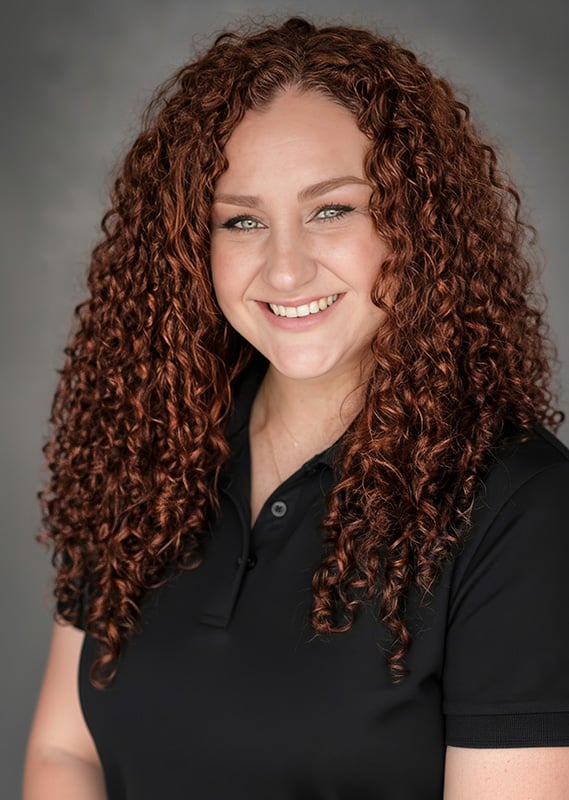
 Construction remains one of the most male-dominated industries in the country, with women accounting for roughly 1 in 10 workers nationwide, according to the U.S. Department of Labor. But inside Phillips Infrastructure Corp., a national leader in critical infrastructure development with integrated solutions in mining, water, power, and environmental services, women like Sam Evans are shifting that reality.
Five years ago, Evans worked the front desk at the Phillips Heavy Civil office in San Antonio, Florida. After moving into accounts payable and receivable and steadily expanding her scope of work, she now sits at the center of the estimating process as an Estimating Coordinator, helping position Phillips for some of the state’s most complex infrastructure projects.
Evans said leadership offered tremendous support as she advanced within the company, encouraging her to take on new roles and responsibilities.
“I have never felt dismissed or not taken seriously by management,” she said. “I feel seen and respected in my position, which is the best thing an employer can do for their employees.”
Ownership That Opens Doors
That culture started with Avis A. Phillips, the company’s sole voting shareholder and Chairman of the Board.
While her late husband, Ted Phillips Sr., helped build Phillips (previously Phillips & Jordan) into a national contractor, Avis worked alongside him and simultaneously led her own construction company, Avisco, for 35 years. When Ted Sr. passed in 2018, the two companies merged, and Avis stepped into the role of Chairman, bringing firsthand operational experience to the position.
Today, Phillips leverages its woman-owned status as a competitive advantage, using the designation to expand partnerships, including with women-owned small businesses, while opening doors in the bidding process.
“In some cases, being woman-owned qualifies us for certain bid opportunities,” Evans said. “It expands the pool of projects we can compete for and reinforces that women are more than capable of running a successful construction company.”
But being a woman-owned enterprise also comes with responsibility, said Emily Torgerson, Phillips’ Senior Vice President of Communications.
“In my role, that means ensuring that opportunity isn’t assumed; it’s structured,” she said. “We have to create visibility, invest in development, and ensure women have access to leadership roles where they can influence outcomes.”
One way Phillips puts that into practice is through encouraging participation in formal leadership development programs such as Pinnacle and Academy, which prepare employees for expanded responsibility. Women account for 17 percent of Phillips’ participants in these initiatives.
This emphasis on advancement is reinforced by strict adherence to equal opportunity and non-discrimination standards. Across the enterprise, hiring, promotion, and supervisory decisions are expected to be based on qualifications, demonstrated skills, and measurable performance—not gender.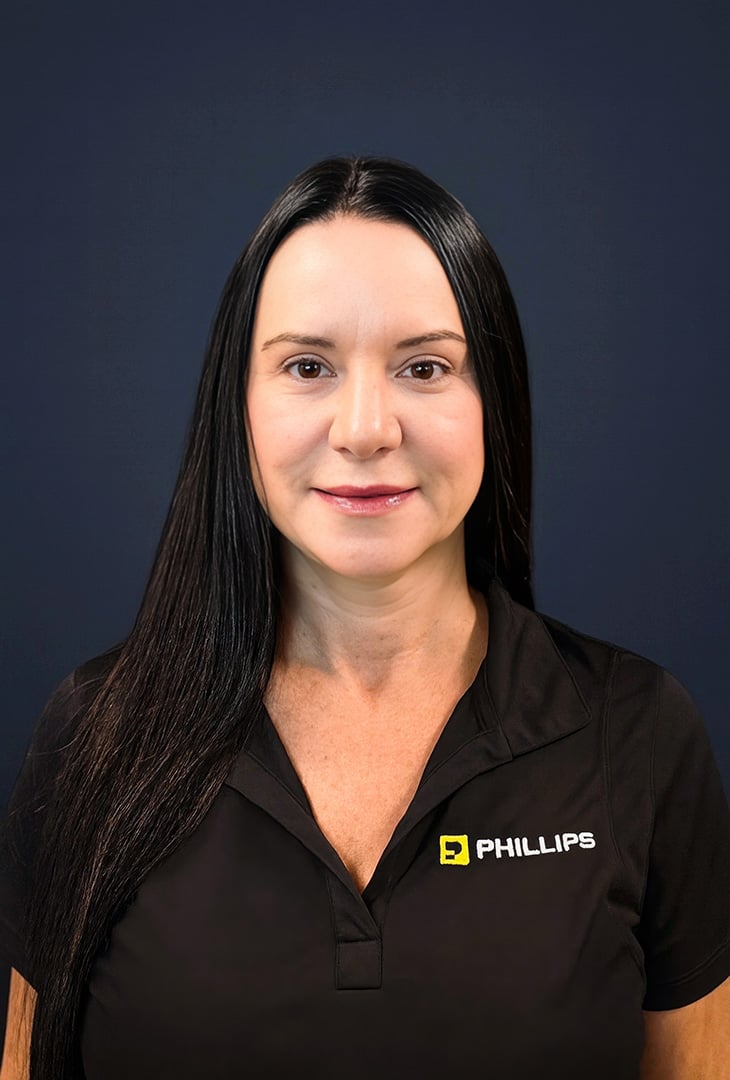
Opportunity in Action
Put together, these standards create an environment where employees like Tonya Casanova are positioned to lead.
Casanova joined Phillips Power with 17 years of industry experience and stepped into a project management role supporting the growth of the distribution overhead and underground. In a segment that demands technical precision and operational coordination, she oversees complex work that directly supports the expansion of power infrastructure.
“Being part of a woman-owned company in a male-dominated industry, and serving in a leadership role myself, has made me feel supported, trusted, and empowered to grow,” Casanova said. “That shows up in the day-to-day through open, empathetic communication and a culture where people are encouraged to speak up, collaborate, and bring themselves to the work.”
Autumn Sargent, an Administrative Assistant at Phillips Heavy Civil, described a similar environment.
“Being a woman-owned company shows up in the culture through a strong sense of support, teamwork, and opportunity,” Sargent said.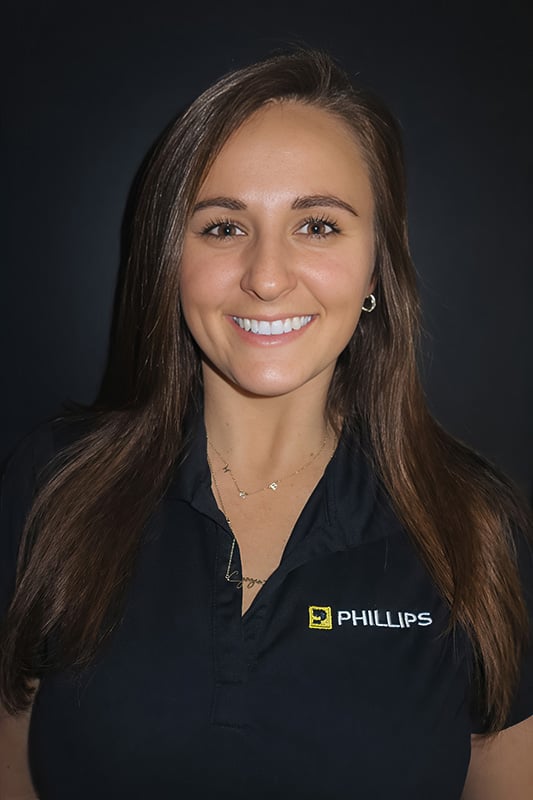 “There’s a real understanding of the value women bring to the industry, and it creates an environment where people feel respected and encouraged to grow.”
Sargent said she sees Phillips as part of a broader shift in the construction industry.
“What excites me most about the future of the industry is its continued growth and the expanding opportunities for women in construction,” she said. “It’s encouraging to see the industry evolve and become more inclusive.”
Join a Team Built for Bold Work
At Phillips, women across the organization are taking ownership of projects, shaping operations, and advancing because the path is there to climb. If you are ready to grow in an environment that backs ambition with action, visit phillipsinc.com/careers.